As ad costs continue to climb and platforms roll out constant algorithm updates, a year-end PPC audit is no longer a “nice to have” – it’s essential. Over the past year, changes in bidding strategies, audience targeting, tracking (especially with Google Analytics and privacy updates), and automation have quietly reshaped how your campaigns perform.
Without a structured review, you risk going into Q1 with bloated cost-per-clicks, wasted spend on underperforming segments, and algorithms optimised around outdated goals. A thorough year-end audit lets you strip out inefficiencies, realign your campaigns with current business objectives, and feed the algorithms cleaner, more relevant signals. The result: leaner accounts, stronger ROAS, and a PPC strategy that’s ready to compete from day one of the new year.
What is a PPC Audit?
A PPC audit is a systematic review of your pay-per-click advertising(PPC Ads) accounts (like Google Ads, Microsoft Ads, or Meta Ads) to evaluate how efficiently they’re performing.
It typically involves analyzing structure, keywords, targeting, ad copy, bids, budgets, and tracking to identify what’s working, what’s wasting spend, and where there are opportunities to improve results. The goal is to reduce inefficiencies, lower costs, and increase ROI by making data-driven optimizations based on this deep account health check.
Why is a PPC Audit important for PPC Campaigns?
A PPC audit is crucial for these key reasons:
- Uncovers Hidden Waste: Identifies low-ROAS keywords, audiences, and ads draining budgets—often 20-30% of spend can be recovered.
- Boosts ROI and Efficiency: Optimizes structure, bidding, and targeting to lower CPCs, improve Quality Scores, and increase conversions without extra spend.
- Adapts to Platform Changes: Resets algorithms after updates (like 2025’s AI bidding shifts) to align with current rules and privacy standards.
- Informs Strategic Decisions: Provides data-driven insights for Q1 planning, forecasting, and scaling what works.
- Prevents Performance Decay: Regular audits stop gradual declines from competition, seasonality, or tracking issues.
Without an audit of your ad campaigns, you’re flying blind. That’s why we’re recommending one now so that you can plan your ads for stronger results in the new year.
Here’s the Complete PPC Audit Checklist
Step 1: Review Account Structure and Settings
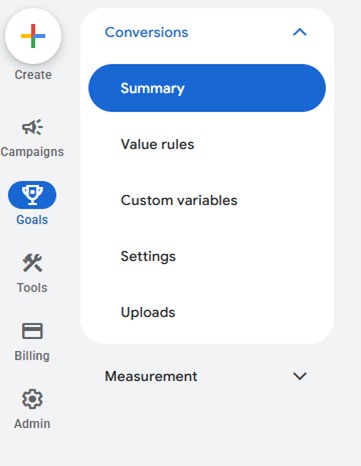
- Check campaign and ad group organization for clarity and performance tracking. Review all campaign settings.

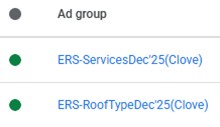
- Ensure naming conventions are consistent.

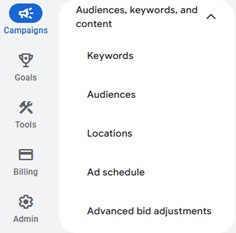
- Review location targeting, ad schedules, and device targeting settings.
Step 2: Reassess Keyword Performance
- Identify high-cost, low-performing keywords to pause or remove.

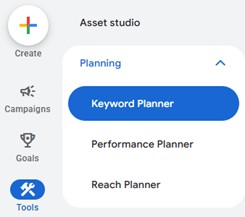
- Spot opportunities for new keyword themes or match types to improve Click Through Rates(CTR).
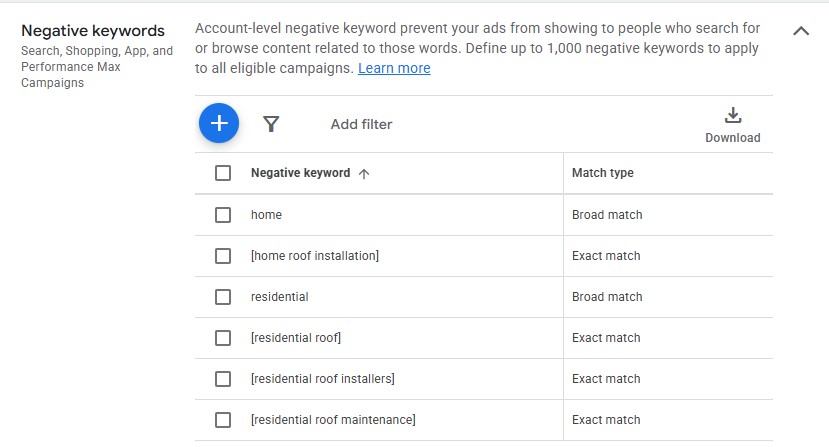
- Review negative keyword lists to prevent wasted spend.
Step 3: Evaluate Ad Copy and Creative Assets
- Review CTRs and conversion rates by ad variation.
- Refresh ad copy for seasonality or new offers for 2026.
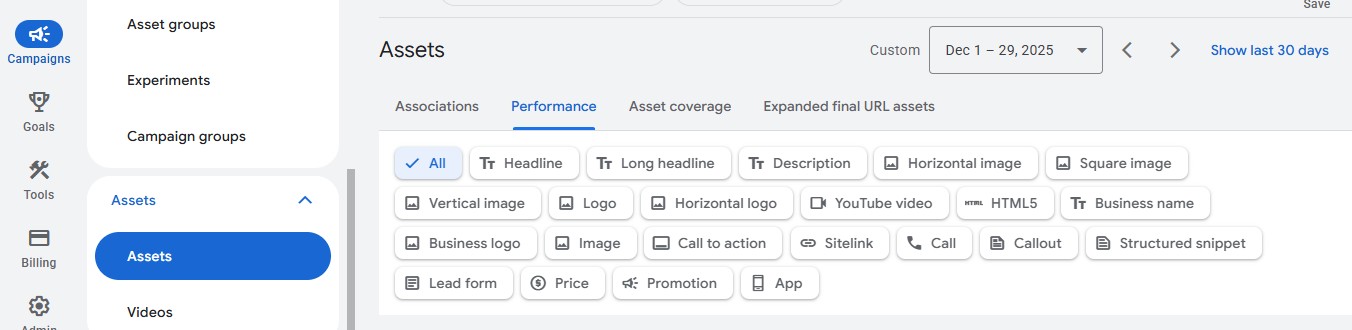
- Check the use of responsive search ads and ensure all headlines/descriptions are tested.
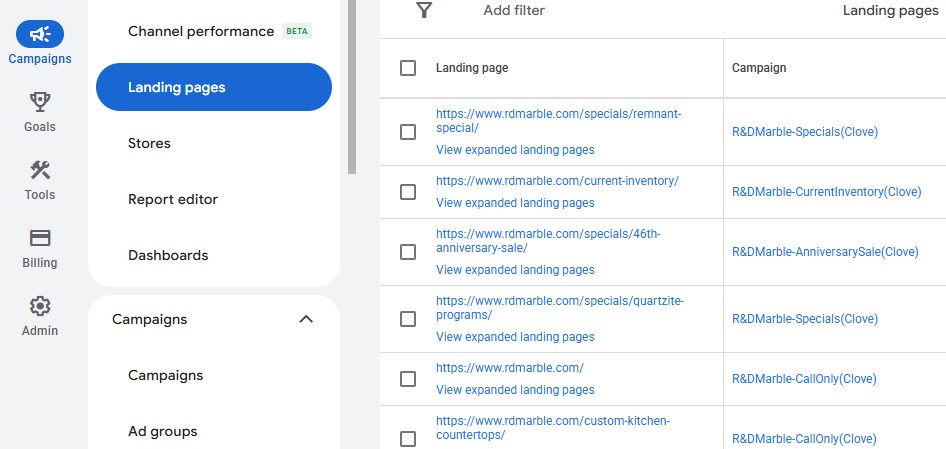
Step 4: Audit Landing Pages
- Ensure page load speed, mobile responsiveness, and relevance to ad intent.
- Review conversion tracking and call-to-action (CTA) placement.
- Confirm that landing pages reflect current branding and messaging.
Step 5: Review Conversion Tracking and Attribution
- Verify tracking pixels, conversions, and goals are firing correctly.
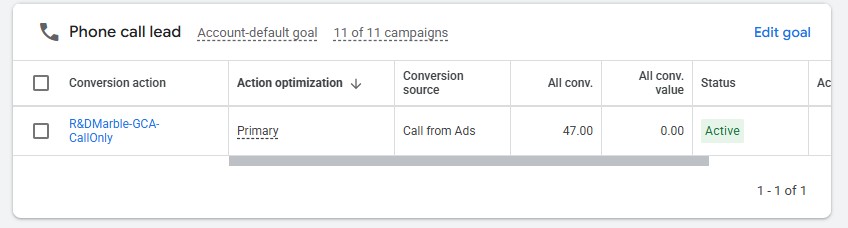
- Update UTM parameters and integrate with analytics tools like GA4.
Step 6: Analyse Budget and Bid Strategies
- Check for campaigns hitting budget caps or limited by budget.
- Review bid automation strategies (TCPA, TROAS) and adjust to reflect new goals.
Step 7: Quality Score
- Improve your quality score for the entire account.
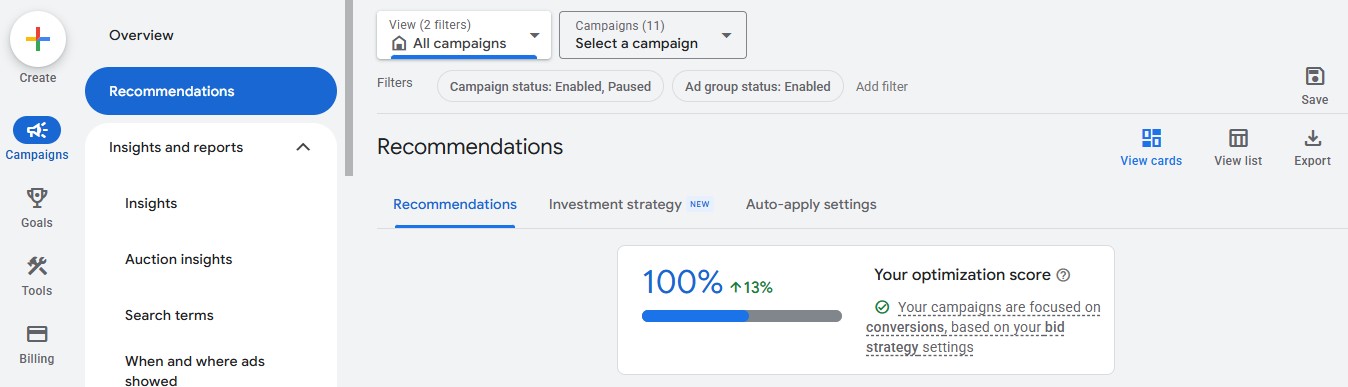
- Check the quality score of your keywords and ad campaigns. Now is the right time to improve it.
Step 8: Audit Target Audience and Segmentation
- Review remarketing, custom audiences, and demographic targeting.
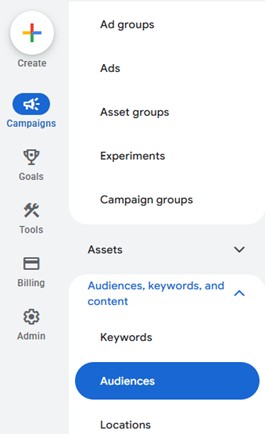
- Identify underperforming segments and opportunities for new ones.
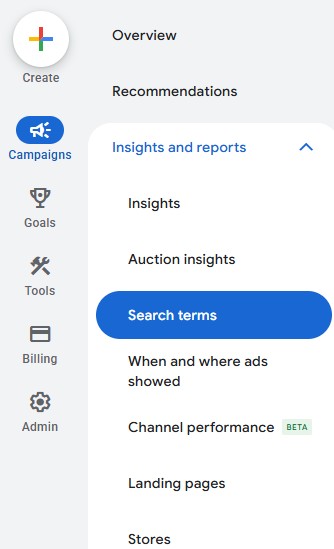
Step 9: Review the Search Terms Report
- Search term report helps in identifying waste spend and finding high intent opportunities in user search queries.
- Refine keyword match types using the search term report.
Step 10: Review Ad Extensions
- Improve quality score and boost ad visibility by reviewing ad extensions.
- Remove outdated and broken elements from ad extensions
- Align with current goals and offers.

Step 11: Evaluate Platform Updates and Policy Changes
- Check for Google Ads or Meta Ads policy updates affecting your campaigns.
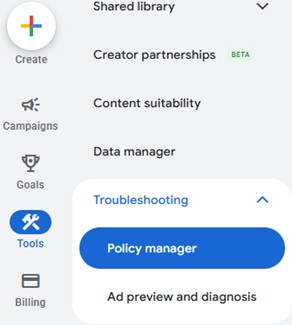
- Review automated features, such as Performance Max or Advantage+ campaigns.
Step 12: Competitive and Market Insights
- Perform a competitor analysis to identify gaps and opportunities.
- Review auction insights and share-of-voice data.
- Align your strategy with evolving market dynamics for 2026.
Step 13: Document Insights and Set 2026 Goals
- Summarize key learnings from the audit.
- Set SMART goals for Q1 2026 PPC performance.
- Create an action plan or optimization roadmap for implementation.
PPC Audit Questions
How often should I do a PPC audit?
A PPC audit should be done at least once a year, with a full review at year end. This helps you reset campaigns before the new year starts. For active accounts or higher budgets, quarterly audits are even better. Regular audits prevent small issues from turning into costly problems.
Can a PPC audit help lower my ad costs?
Yes, a PPC audit often helps reduce wasted ad spend. It identifies keywords, ads, and audiences that cost money without delivering results. Removing or fixing these areas can lower cost-per-click and improve ROI. Many accounts recover a noticeable amount of wasted spend after an audit.
How long does a PPC audit take?
A basic PPC audit can take a few days, while deeper audits may take one to two weeks. The time depends on account size, platforms used, and data complexity. A detailed audit looks at structure, ads, keywords, tracking, and performance trends. The goal is accuracy, not rushing the process.
Do I need a PPC audit if my campaigns seem to be working?
Yes, even campaigns that look successful can hide inefficiencies. Ad platforms change often, and what worked months ago may not be optimal today. An audit helps fine-tune performance and protect results as competition increases. It also prepares your account for future growth.
What happens after a PPC audit is complete?
After the audit, you receive clear findings and a list of recommended actions. These steps may include pausing wasteful keywords, improving ads, adjusting bids, or fixing tracking. A good audit also includes a plan for Q1 and beyond. This makes it easier to turn insights into real performance gains.
Ready to turn your year-end audit into real performance gains?
As we wrap up this blog, one thing is clear: a PPC audit is a smart way to improve your ad performance. Looking closely at your campaigns helps find wasted ad spend, missed opportunities, and areas that need improvement. A strong audit gives you a clean starting point and helps set your campaigns up for better results in the new year.
As PPC experts, we have hands-on experience managing and improving paid ad campaigns. We know how to review keywords, ads, budgets, and results to see what is working and what is not. More importantly, we turn those findings into a clear action plan that helps you get more value from your ad spend and grow your results over time.
Ready to turn your audit into real performance gains? Contact us today to schedule your PPC audit and start the new year with cleaner, smarter campaigns built to scale.

Afreen works as a PPC Manager at ITVibes and holds a Master’s degree in Computer Science Engineering. She enjoys reading books and has a passion for creating compelling ad campaigns, bringing genuine enthusiasm to her work in digital marketing.