Healthcare organizations are increasingly becoming prime targets for cyberattacks, making it crucial for them to prioritize their cybersecurity measures. Electronic health records, insurance data, and billing systems contain sensitive information. This information is valuable to cybercriminals. They can use it for harmful activities like identity theft, insurance fraud, and ransomware attacks.
At ITVibes, we understand the unique challenges faced by healthcare providers in safeguarding their data. That’s why we provide custom solutions. These help organizations watch their systems closely and improve their healthcare cybersecurity.
We use advanced risk assessment tracking tools and scorecard-based cybersecurity frameworks. This helps healthcare organizations find weaknesses. They can then use effective strategies to protect their sensitive information from changing cyber threats.
The Risk Landscape for Healthcare Organizations
Modern healthcare networks include clinics, hospitals, and private practices. They use web-based patient portals and third-party billing software. They also use cloud-based EHR platforms. These tools help deliver care efficiently and allow staff to access information remotely.
These technologies make things easier and more accessible. However, they also give cybercriminals many ways to attack. Without constant security checks, even small mistakes in the system can put sensitive patient data at risk. They can also disrupt important healthcare operations.
How Security Scorecard Monitoring Protects Healthcare Systems
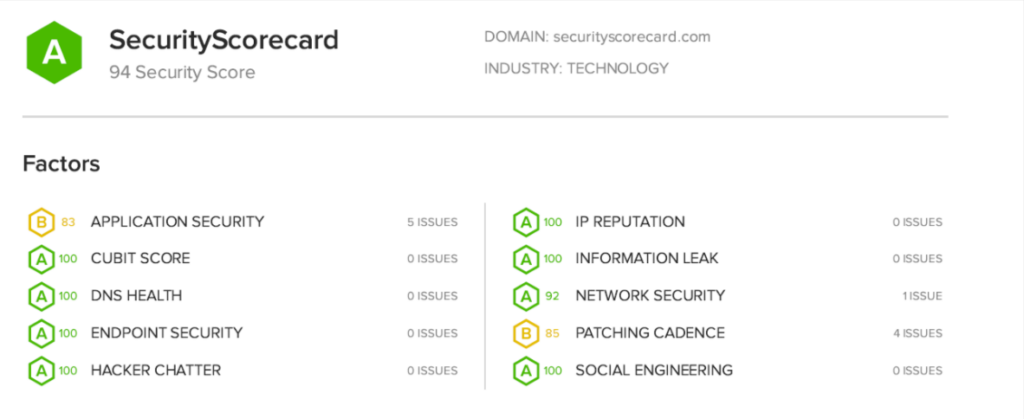
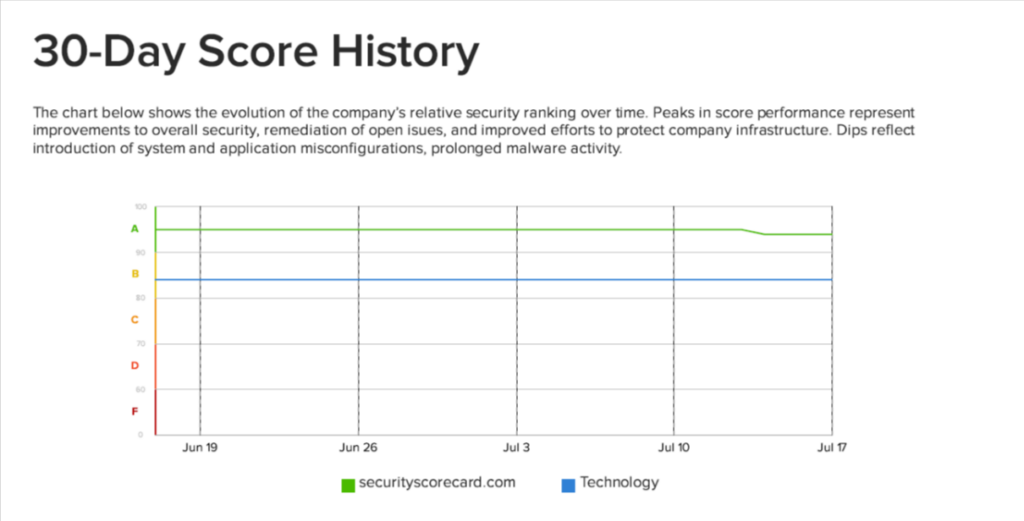
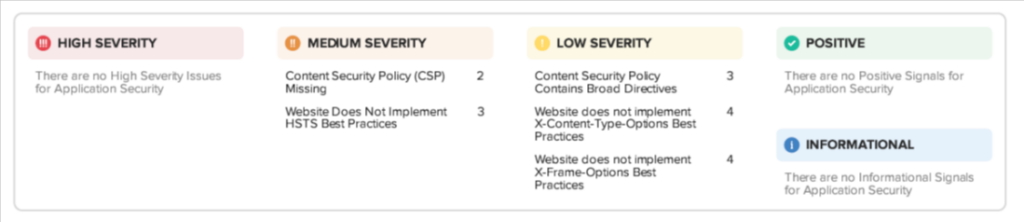
Security scorecard monitoring is a comprehensive evaluation process that assesses your organization across several critical areas of cybersecurity risk. By looking at these specific categories, the monitoring system finds real-world weaknesses. This lets you fix potential problems before bad actors can take advantage of them.
High Severity
These vulnerabilities pose an immediate and significant risk to the organization. They can lead to severe data breaches, system outages, or compliance violations. Quick action is needed to handle these risks. This includes applying patches and adding extra security protocols.
Medium Severity
These vulnerabilities are less critical than high severity but still require attention. They may not pose an immediate threat but could be exploited if left unaddressed. Organizations should focus on these vulnerabilities after fixing high-severity issues. This is often done through scheduled updates or security improvements.
Low Severity
These vulnerabilities are considered minor and typically do not pose an immediate threat to the organization. However, they should still be monitored and addressed over time to maintain overall security. Regular updates and maintenance can help mitigate these risks.
Positive Results
This category indicates that certain security measures are functioning effectively. It may include successful implementation of security protocols, compliance with regulations, or the absence of known vulnerabilities in specific areas. Positive results help build confidence in cybersecurity.
Information Results
These results provide insights or context about your security environment without indicating a direct risk. They may include data on system performance, user behavior, or emerging threats. While not urgent, this information can guide future security strategies and improvements.
Healthcare Security Areas We Monitor
Here’s a simple overview of the main areas we monitor for healthcare providers. This helps ensure good performance and compliance.
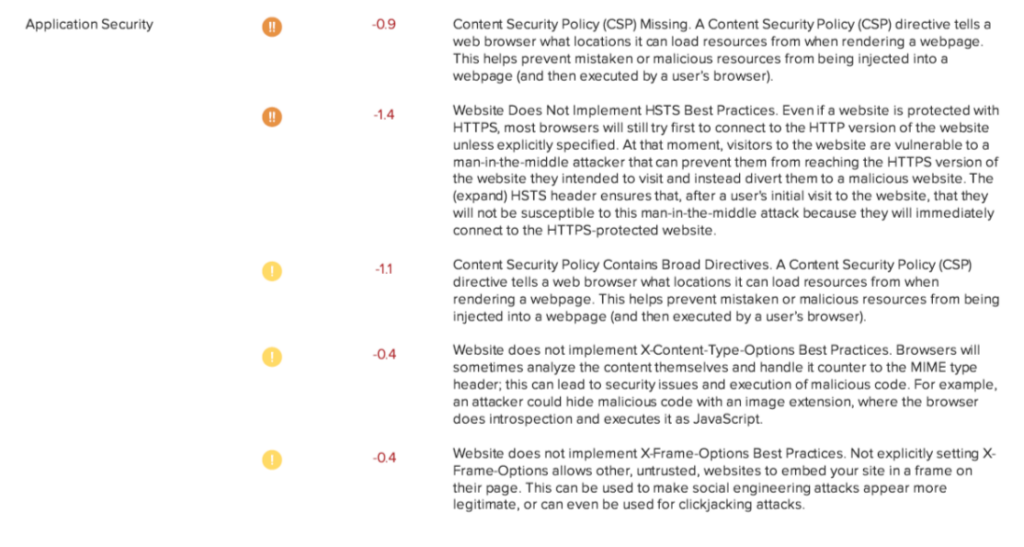
Application Security: Protecting Patient Portals & Web Platforms
Many healthcare breaches begin at the web application level. Healthcare systems send a lot of sensitive data every day. If they use weak encryption, attackers can steal or change that information.
These protections are very important for healthcare organizations. Without them, attackers can add harmful code to patient portals. They can also steal login information or send users to fake websites. This puts sensitive patient data at risk.
Network Security: Removing Weak Encryption and Unsafe Access Points
Healthcare systems send a lot of sensitive data every day. If they use weak encryption, attackers can steal or change that information. We help healthcare organizations find and remove weak SSL/TLS protocols. We also secure open ports and strengthen firewall and routing settings.
These measures protect patient data during transmission and keep the data secure, and stop unauthorized access to sensitive information.

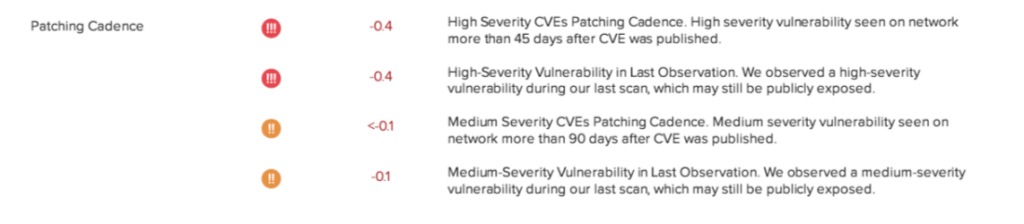
Patching Cadence: Closing Weakness Gaps Before Attackers Exploit Them
Many healthcare data breaches happen due to unaddressed vulnerabilities in current systems.
Using scorecard-based monitoring, we help you:
- Keep a close watch on unpatched high-severity and medium-severity Common Vulnerabilities and Exposures (CVEs). This helps ensure system integrity.
- Give top priority to implementing critical security updates to safeguard against potential cybersecurity threats.
- Develop and establish controlled patching schedules that minimize disruptions to patient care and efficiency.
Implementing fast patching significantly minimizes your ransomware attacks and reduces the risk of remote exploitation by cybercriminals.
DNS Health and Endpoint Security
Keeping good infrastructure hygiene is very important in healthcare settings. It helps ensure patient safety and improves overall operations. This commitment to cleanliness directly impacts the quality of care provided to patients.
We constantly monitor:
- Ensuring the health of DNS configuration is crucial for optimal network performance.
- Implementing robust email spoofing protections is essential to safeguard against phishing attacks.
- Regularly updating endpoint software versions and addressing outdated plugins is vital for maintaining security.
This approach makes sure that clinical workstations, medical devices, and administrative systems stay secure. They remain safeguarded against dangers and weaknesses consistently.
Threat Intelligence Monitoring for Healthcare Data Sharing Protection
We take active steps to protect your company. We also watch for outside threats that could harm patient data security. This thorough surveillance covers many factors. It includes talks among hackers, mentions on the dark web, and problems with malware-related IP addresses. It also looks at any leaked credentials or sensitive data.
By carefully monitoring these essential indicators, your organization can act promptly at the earliest opportunity. This proactive approach helps you respond quickly and effectively. It ensures you can reduce risks before a potential incident turns into a major data breach. Such a breach could have serious consequences.
Healthcare Security Scorecard Monitoring Questions
What is a security scorecard, and how does it benefit healthcare organizations?
A security scorecard evaluates your cybersecurity posture across key risk areas, highlighting weaknesses before attackers can exploit them. It provides clear metrics that help healthcare leaders prioritize security actions and maintain regulatory compliance.
How often should healthcare organizations monitor their security scorecards?
We recommend continuous monitoring. Cyber threats change every day. Ongoing monitoring helps find weaknesses, human errors, or exposed credentials. This way, we can fix these issues before they lead to security breaches.
What types of security risks does scorecard monitoring cover?
Scorecard monitoring plays a crucial role in maintaining the healthcare risk management and integrity of various systems and applications. It encompasses several key areas, including:
- Application Security: This involves safeguarding patient portals and web platforms to protect sensitive information from unauthorized access.
- Network Security: This focuses on implementing encryption protocols and managing open ports to prevent potential weaknesses.
- Patch Management: This involves tracking and emphasizing software updates. This ensures that all systems are current.
- DNS and Endpoint Health: This ensures the integrity of systems and devices, monitoring for any signs of compromise.
- External Threat Intelligence: This means watching for hacker talk, mentions on the dark web, and any leaked data. This helps us stay ahead of possible threats.
Can scorecard monitoring prevent ransomware attacks?
Yes. By identifying weaknesses, enforcing timely patching, and monitoring for external threats, healthcare organizations can significantly reduce the likelihood of ransomware or other cyberattacks.
Does implementing a security scorecard interfere with daily healthcare operations?
No. Scorecard-driven monitoring is designed to integrate with existing systems without disrupting patient care, helping organizations make informed security decisions efficiently.
Why Healthcare Cybersecurity Matters
Cybersecurity in healthcare is not just an IT issue. It is really about keeping patients safe and healthy. In an industry where patient data is often at risk, healthcare organizations must regularly check their security measures. This includes looking at different applications, networks, and infrastructure.
By doing so, they can effectively thwart ransomware attacks and other cyber threats that could compromise patient information. This proactive approach helps protect patient trust. It also ensures compliance with regulations and reduces the risk of costly downtime. This downtime can disrupt important healthcare data protection.
Healthcare providers cannot afford to wait and see. They must not let a breach show weaknesses in their systems.
Instead, implementing scorecard-driven monitoring provides organizations with enhanced visibility, control, and confidence in their digital environment. This change allows healthcare organizations to move from reacting to threats to actively protecting themselves. This creates a safer environment for patients and providers.
How ITVibes Helps Healthcare Organizations Stay Secure
At ITVibes, we specialize in websites with cybersecurity solutions tailored specifically for healthcare environments. Our services include continuous security scorecard monitoring, proactive management, HIPAA-focused security hardening, and real-time risk alerts and reporting. We turn complex technical risks into clear steps. This helps healthcare leaders make smart security choices without delaying patient care.
What does your Security Scorecard look like? Contact us to schedule a security assessment and take the first step toward stronger, more reliable cybersecurity.