
PPC, or Pay-Per-Click, is a digital advertising model in which businesses pay a fee each time someone clicks their ad. This model focuses on driving real interactions rather than simply displaying ads to a broad audience. By paying only when a user takes action, businesses can use their advertising budget more efficiently.
This approach allows companies to reach potential customers who are actively searching for related products or services. Instead of relying on passive visibility, PPC focuses on user intent and engagement. As a result, it helps drive targeted traffic to websites and supports sustainable business growth.
Understanding Pay-Per-Click Advertising
Pay-Per-Click advertising allows businesses to appear in front of potential customers who are already looking for relevant solutions. Ads are typically shown based on selected keywords, audience interests, or browsing behavior. This helps ensure that marketing efforts are directed toward users who are more likely to engage with the content.
When a user clicks on an ad and visits the website, the advertiser pays for that interaction. This performance-based model focuses on actual user interest rather than general exposure. By connecting businesses with individuals who have demonstrated intent, PPC improves the chances of meaningful engagement.
Over time, consistent PPC activity supports stronger customer interactions and encourages action. It helps businesses refine their approach by understanding what attracts user interest. This allows campaigns to become more effective and better aligned with marketing goals.
Where PPC Is Used
PPC campaigns are used across multiple digital platforms to reach different types of audiences. Search engines such as Google and Bing display PPC ads alongside search results when users look for specific information. These placements help businesses appear at the moment users are actively searching for solutions related to their needs.
Social media platforms like Facebook, Instagram, and LinkedIn also offer PPC opportunities through targeted promotions. These ads are shown based on user demographics, interests, and online behavior. This allows businesses to connect with audiences who are more likely to engage with their products or services.
In addition, display networks enable businesses to present visual ads across websites and digital platforms. These ads help increase brand visibility even when users are not actively searching. This broad exposure supports long-term awareness and recognition.
Why Businesses Use PPC
Businesses use PPC because it offers quick visibility in competitive digital environments. Campaigns can be customized to reach specific audiences based on location, interests, or search intent. This flexibility helps attract users who are already interested in related offerings.
Another key benefit is the ability to measure performance through data such as clicks, impressions, and conversions. These insights help businesses understand how users interact with their ads. Using this information, campaigns can be refined for better effectiveness.
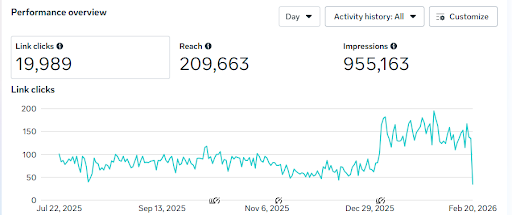
PPC also supports efficient budget management since businesses pay only when users click on their ads. This ensures that spending is directed toward meaningful interactions. Over time, this contributes to improved marketing outcomes.
Key Points to Remember
PPC advertising focuses on reaching the right audience at the right time through targeted placements. It allows businesses to connect with users who are actively searching or showing interest in related products or services. This improves the chances of meaningful engagement.
With proper planning and ongoing optimization, PPC can support lead generation and increase website traffic. It also helps strengthen brand visibility across digital platforms. Over time, PPC becomes a valuable tool for achieving measurable marketing results.
Contact us to learn how PPC advertising can support your business objectives.