
Search Engine Optimization works by improving different parts of a website so search engines can understand, evaluate, and rank it more effectively. The goal is to help your website appear higher in search results when people look for products or services related to your business. SEO focuses on making your website more useful, relevant, and trustworthy so it stands out among competitors.
How Search Engines Evaluate Websites
Search engines use automated systems to scan and analyze websites across the internet. These systems review content quality, website structure, page speed, and overall user experience to decide which pages best match a specific search query. Each search engine uses its own ranking methods, but the basic principles of SEO apply to all of them.
How Google Evaluates Websites

Google is the most widely used search engine, and it places strong emphasis on content quality and user experience. Google looks at how helpful and relevant a page is, how fast it loads, and how well it works on mobile devices. It also evaluates website authority by analyzing links from other trusted websites. Google updates its ranking systems regularly, which is why SEO requires ongoing improvement.
How Bing Evaluates Websites
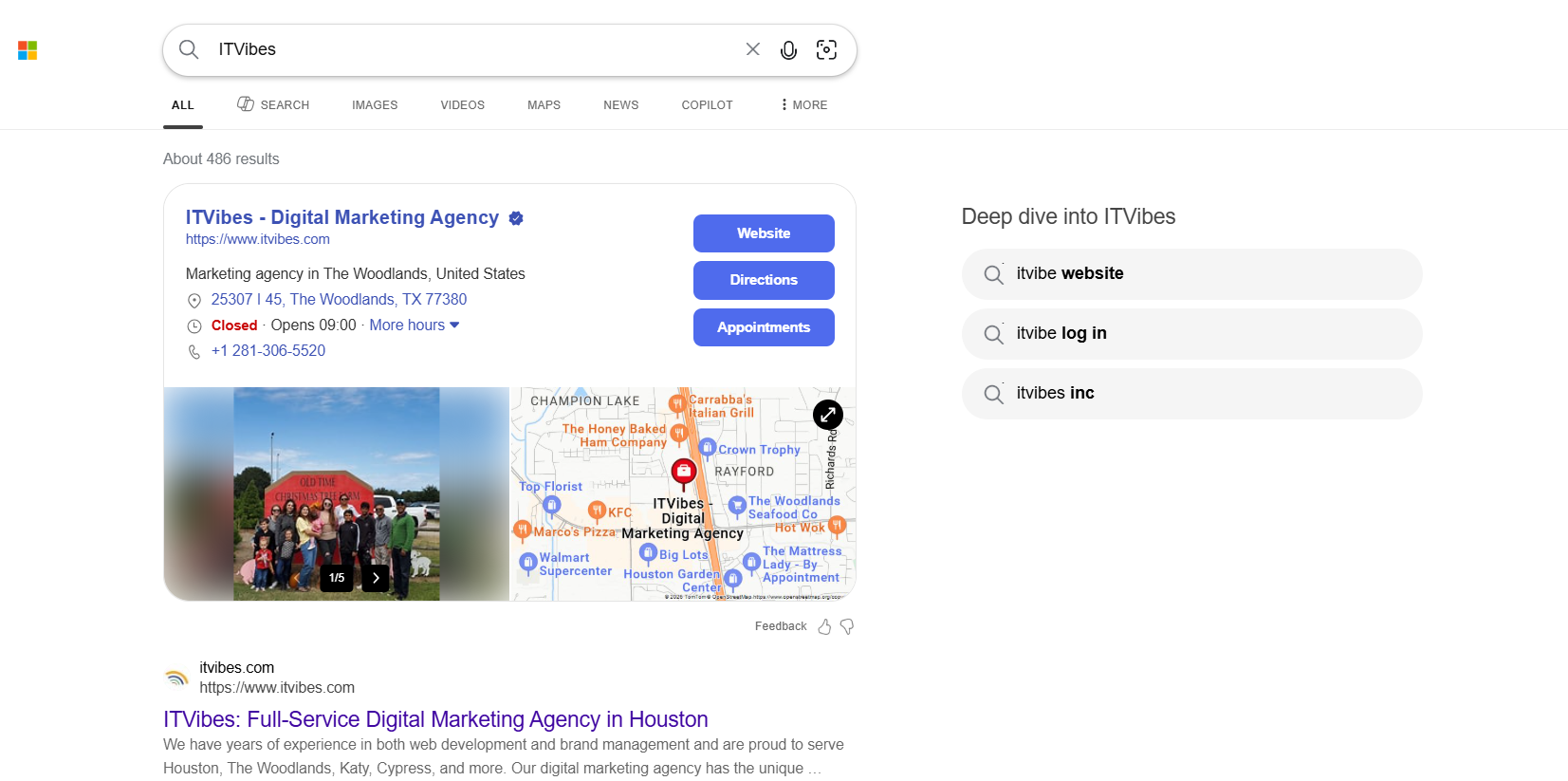
Bing uses many of the same ranking factors as Google, but it often gives more weight to clear website structure and technical optimization. Bing places importance on social signals, on-page content, and website authority. Businesses that optimize for Bing can reach audiences who prefer Microsoft search products and tools.
How Yahoo Evaluates Websites

Yahoo search results are powered largely by Bing technology. Because of this, websites optimized for Bing usually perform well on Yahoo as well. Clear content, proper technical setup, and strong website credibility help improve rankings on both platforms.
How DuckDuckGo Evaluates Websites

DuckDuckGo focuses on user privacy and does not track personal search history. It relies heavily on website relevance, clear content, and trusted sources to determine rankings. Since DuckDuckGo pulls information from several sources, strong overall SEO practices help websites perform better on this search engine.
Other Search Platforms
Search engines such as Yandex, Baidu, and regional search tools also evaluate websites using similar principles. While each platform has unique features, all major search engines reward websites that provide useful content, fast performance, and a good user experience.
SEO for Voice Search and AI Search
The way people search is changing rapidly. Many users now rely on voice search through mobile phones, smart speakers, and virtual assistants. Voice searches are often longer and more conversational than typed searches. Effective SEO adapts to this trend by focusing on natural language, question-based content, and clear answers.
AI-powered search tools are also becoming more common. These systems analyze large amounts of information to deliver direct answers instead of simple website links. Optimizing content so it is clear, accurate, and easy for AI systems to understand helps businesses remain visible in this new type of search environment.
The Main Steps in the SEO Process
SEO follows a structured process that improves visibility step by step.
- Keyword Research and Planning: The process begins with identifying the keywords and phrases potential customers are searching for. Understanding search intent helps create content that matches user needs.
- Website Optimization: Pages are improved with relevant content, proper headings, clear navigation, and fast loading times. These changes make the site more useful for visitors and easier for search engines to read.
- Technical Improvements: SEO also focuses on the technical side of a website. Mobile friendliness, secure connections, and proper coding help search engines crawl and index pages correctly.
- Content Development: Creating helpful, informative, and original content allows websites to answer customer questions and rank for more searches.
- Building Authority: Search engines look for signals of trust. Links from reputable websites and positive user behavior show that your website is reliable and valuable.
- Tracking and Refining: SEO is continuously monitored through analytics. Performance data is used to improve pages, update strategies, and achieve better results.
Why SEO Takes Time
SEO works gradually rather than instantly. Search engines need time to notice improvements, compare websites, and adjust rankings. Consistent optimization leads to steady growth in traffic and visibility. Regular updates and quality content help maintain progress and strengthen results over time. In simple terms, SEO works by making your website more useful, more trustworthy, and easier to find for both search engines and customers.
Typical Timeframes for SEO Results
- First 1 to 2 Months: Basic technical improvements, content updates, and website optimization are completed. Small changes in rankings and traffic may begin to appear.
- 3 to 6 Months: Noticeable growth in search visibility, keyword rankings, and organic traffic usually becomes clear during this period.
- 6 to 12 Months: Consistent SEO work often leads to strong and stable improvements, higher rankings, and more qualified leads.
- Beyond 12 Months: Long-term SEO efforts create lasting authority and steady growth that can continue for years.
These timeframes can vary based on competition, industry, website history, and the amount of optimization already in place. Regular updates and quality content help maintain progress and strengthen results over time. In simple terms, SEO works by making your website more useful, more trustworthy, and easier to find for both search engines and customers.
Contact us to learn how effective SEO strategies can support your business growth.